
Longtime GO Smart client and passionate advocate for the arts, the Alaska State Council on the Arts (ASCA) is making a significant impact on the western region’s creative industries. Based in Anchorage, Alaska, the Council is dedicated to its mission:
“Alaska State Council on the Arts (ASCA) represents, supports, and advances the creative endeavors of individuals, organizations, and agencies throughout Alaska.”
For more than two decades, GO Smart has helped the Council streamline grant administration, giving staff more time to focus on expanding access to the arts and serving communities across the state.
Meet Community Arts Development Director Charlie Sears
One area where the partnership between ASCA and GO Smart is especially meaningful is accessibility. While GO Smart continues to prioritize accessibility within its own platform, ASCA’s Community Arts Development Director, Charlie Sears, has been exploring new ways to make arts participation more accessible to everyone.
As a lifelong Alaskan based in Anchorage, Charlie Sears serves as a key leader at the Council, spearheading major initiatives like the Alaska Governor’s Arts and Humanities Awards. Known for his deep commitment to community impact, Charlie has raised over $1 million for the Alaska Children’s Hospital and was recognized in 2018 on the Alaska Journal of Commerce’s Top 40 Under 40 list.
Reflecting on his journey and the experiences that have shaped his career, Charlie shares:
“After working in Los Angeles, I moved back to Alaska to start a nonprofit helping locals build careers in film. That drive led me to join the Alaska State Council on the Arts, where I became ADA Coordinator. Combining my experience in tech, accessibility, and the arts, I had exactly the toolkit I needed to build a practical solution for the arts sector.”
As technology continues to evolve, Charlie has explored how artificial intelligence can help remove accessibility barriers in the arts. We recently interviewed Charlie to learn more about his work.
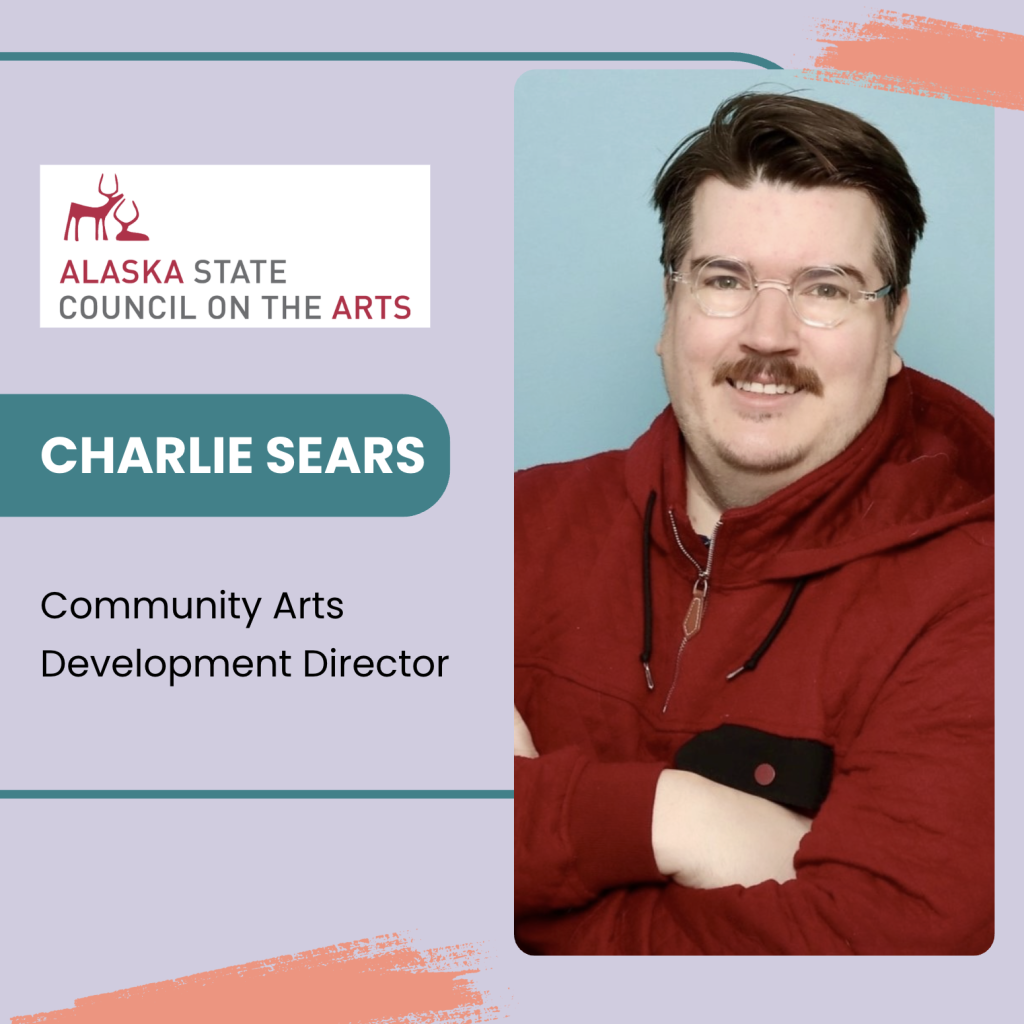
Courtesy of Charlie Sears.
In 2023, Charlie developed an innovative AI generator designed to enhance “alternative text” (or “alt text”), which provides written descriptions of images for individuals who are visually impaired, ensuring they can fully engage with visual content. Alt text is a vital tool for accessibility, as it allows screen readers to convey the meaning or context of an image, making digital spaces more accessible for everyone. Today, his work stands as a testament to the power of creativity and technology coming together to make the arts more welcoming and inclusive.
Read on to learn more about Charlie and his vision for a brighter future for all.
🎙️ What Inspired the AI Generator?
“By combining my background in JavaScript, my deep dive into large language models (LLMs), and my passion for accessibility, I had exactly the toolkit I needed to build a practical solution for the arts sector. The spark came during a Web ADA Compliance session at the Leadership Exchange in Arts and Disability (LEAD) conference. Alt text was the number one topic, and the conversation highlighted a huge problem: There is a wide range of conflicting advice on what actually makes ‘good’ alt text. While research shows clear standards for crafting proper descriptions, generating them consistently and efficiently remains a hurdle for most people. With recent advancements in LLM vision APIs, I knew I could build something better, more accurate, and cost-effective enough to offer for free. That’s how The ALT Text Company (ATC) was born.”
🎙️ How Does Your Work in the Arts Intersect with This New Technology?
“At ASCA, my duties go beyond grant administration; I also manage our communications, including website updates, newsletters, and social media. While ATC doesn’t directly review grants, it has completely transformed the communications side of my job. Creating accessible content used to be a massive time sink. Now, ATC helps me generate alt text rapidly while maintaining the strict standardization and consistency I expect. It has saved my team and me hours of extra work, allowing us to focus more on directly supporting the arts community.”
🎙️ How Does the AI Generator Support the GO Smart Application Process for Your Applicants?
“GO Smart relies heavily on applicants to submit portfolios and supporting documents, but they often struggle to write standard-compliant alt text for their files. By using ATC as a standalone tool during their application prep, applicants can easily generate high-quality alt text for their images before adding them to their supporting materials. This ensures that panel reviewers who rely on screen readers have equitable access to the artwork, removing the guesswork about accessibility for the applicant without requiring any changes to the GO Smart platform itself.”
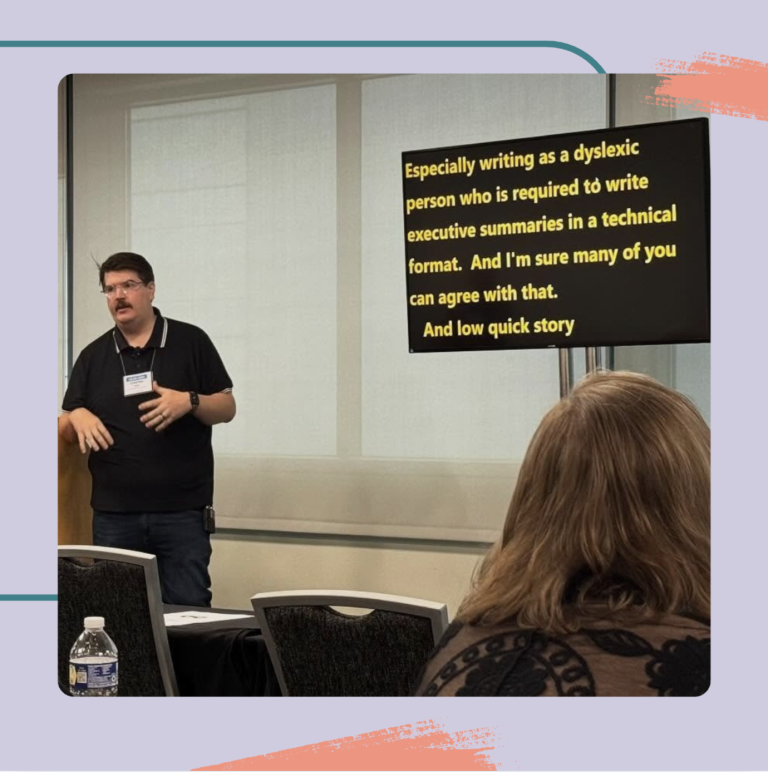
Courtesy of Charlie Sears.
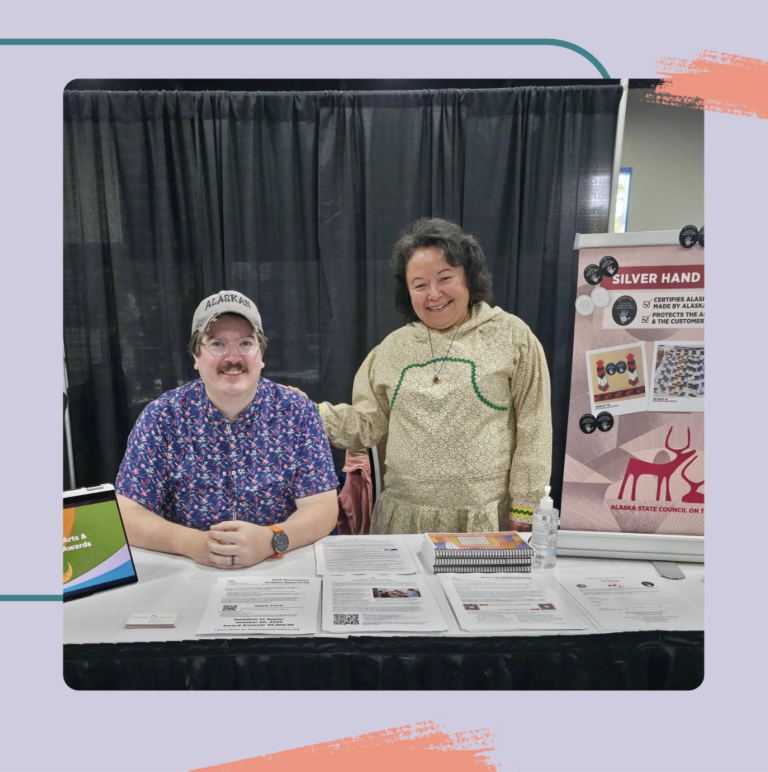
Courtesy of Charlie Sears.
From preserving cultural heritage to advancing accessibility through innovative tools like The ALT Text Company, ASCA’s efforts emphasize the importance of and underscore their commitment to creating an inclusive and equitable arts sector. At GO Smart, a Creative West product, accessibility isn’t just a feature—it’s a core value. We’re committed to building a platform that works for individuals of all abilities, aligned with WCAG 2.1, Level AA standards. That commitment extends beyond technology; it’s about ensuring the arts remain open and available to everyone. We’re proud to partner with organizations like ASCA that share that vision, and are honored to play a small role in uplifting the important work and stories that emerge from that shared commitment.
Together, we’re demonstrating that prioritizing accessibility isn’t just the right thing to do — it’s essential for building a future where everyone can engage with and contribute to the arts. Stories like Charlie’s illustrate why GO Smart values long-term partnerships with organizations like ASCA. Technology can remove barriers in many different ways, whether through more efficient grant administration or tools that make arts participation more accessible.
Know someone in the arts who could benefit from this? Share this story with them and help spread the support!